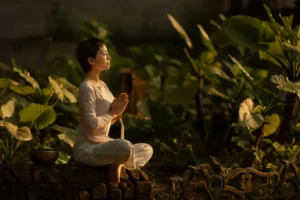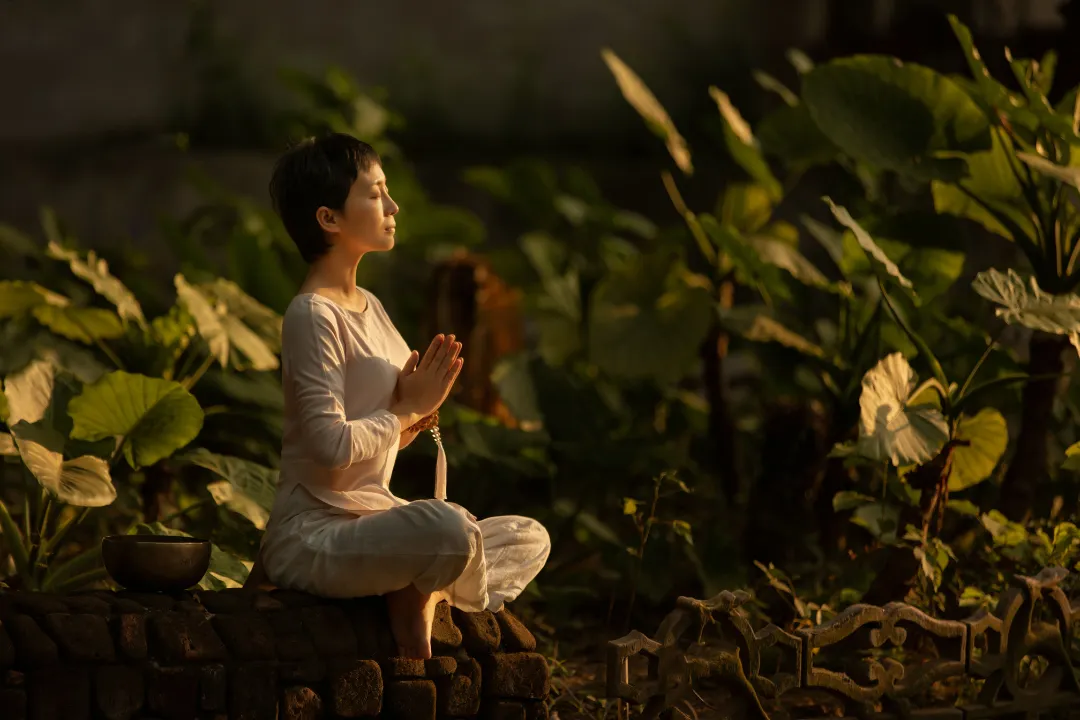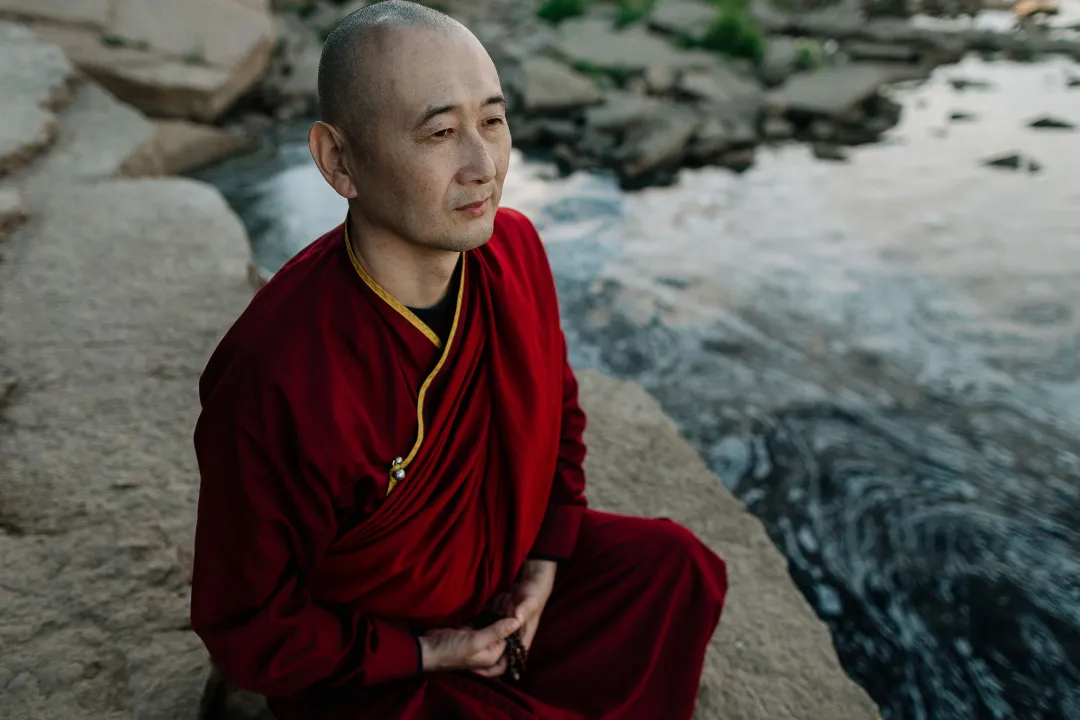
In today’s fast-paced world it is more important than ever to find a place at home to retreat to for some peace and quiet. A meditation garden is carefully designed to be a place to escape stress, reconnect with nature and build inner peace. Whether you have a big backyard or a small outdoor space, a calming environment can make all the difference to your daily wellness routine.
Many people seek out different mindfulness practices to foster a deeper bond with nature. The inventive style of Gumbo Slice Meditation, guided methods like a Metta Meditation Script and concepts such as Meditation Spirits have inspired gardening fans to create outdoor spaces for contemplation and peace. Add these practices to good garden design and you will greatly improve your meditation process.
Why Make a Meditation Garden?
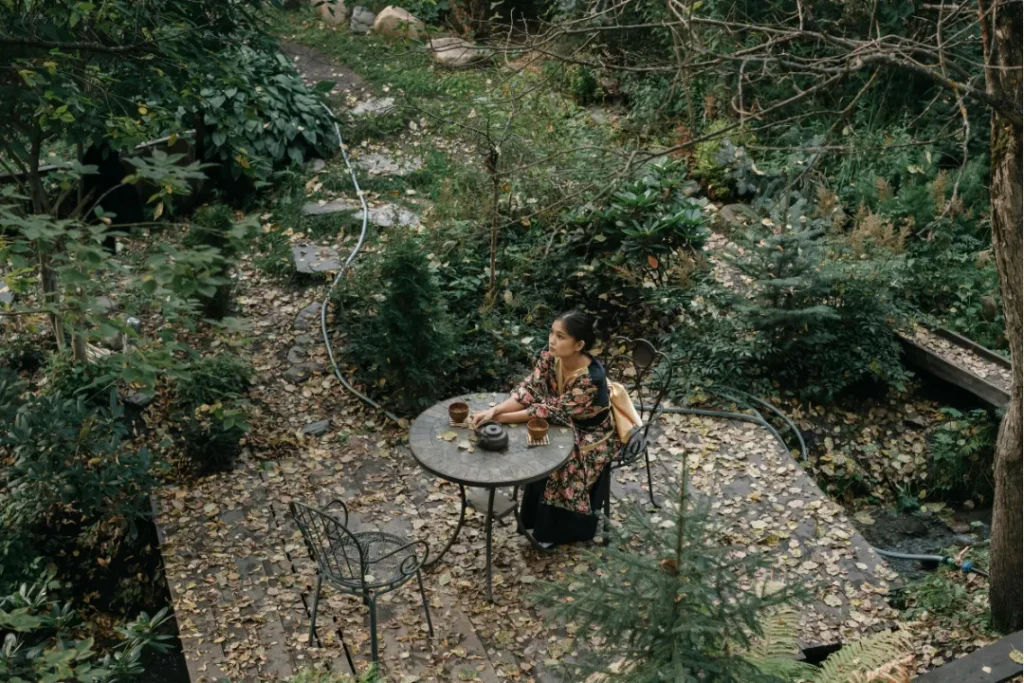
A meditation garden is more than a landscaped outdoor space. Designed with care to help you relax, be mindful and find emotional balance. The peaceful setting with natural features and calming sounds offers an ideal place for meditation and introspection.
Studies show that nature can reduce stress, enhance mood and boost well-being. You can have a meditation garden dedicated to you, establish a daily mindfulness practice and get these benefits in the comfort of your own home.
Essentials of a Meditation Garden
Before considering ideas for the design of the garden, it is useful to understand what makes a good meditation garden.
Seating Comfort
A comfortable seating area is the central feature of any meditation garden. Many homeowners select a dedicated Meditation Bench made of natural wood or stone. The bench should be comfortable and also sympathetic to the surrounding landscape.
Depending on your preferred practice, you can also add meditation cushions, yoga mats, or even a small wooden platform.
Natural vegetation
Plants have an important role in making a peaceful environment. You might also consider adding:
- A bamboo for privacy and a gentle movement
- Lavender for a calming scent
- Ferns for the greenness
- Japanese maples for their beauty
- Soft textures Ornamental grasses
The idea is to be balanced, inviting and peaceful.
Water Features:
Of course, the sound of running water is calming. Small fountains, birdbaths and pondless waterfalls are perfect additions to a meditation garden. The soft sound helps to mask the sound of outside noise and to promote mental clarity.
How to Create a Zen-Like Meditation Garden
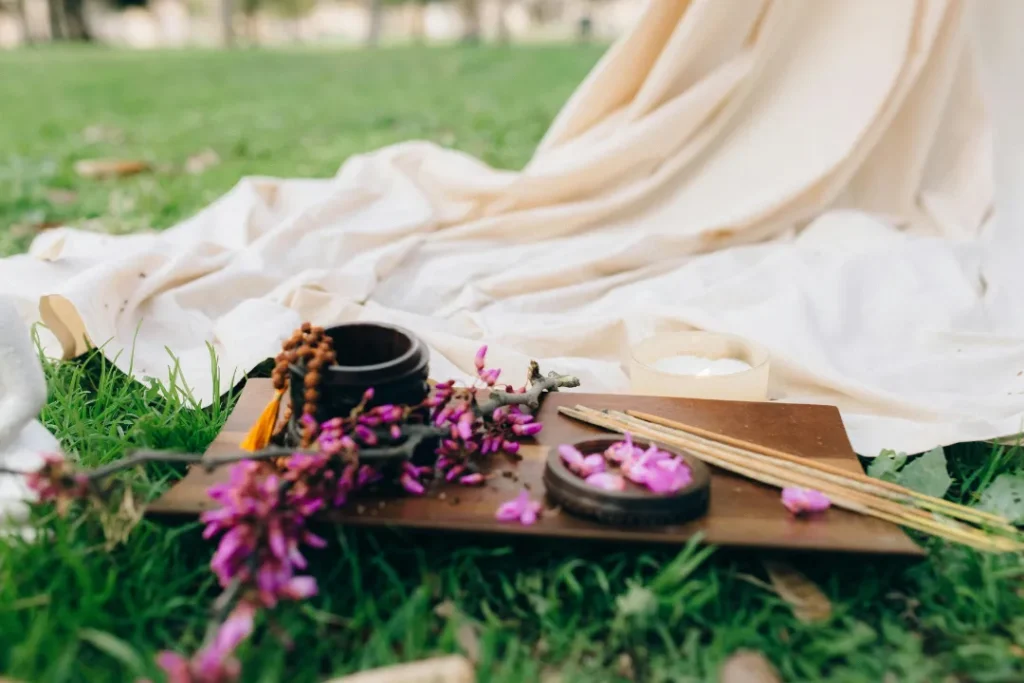
The traditional Japanese zen garden is one of the most popular styles. The style is characterized by simplicity, balance and mindfulness.
The key elements are:
- Patterns raked in gravel.
- Carefully placed rocks
- Basics of plant selection
- Walkways of Wood
- Stone lanterns
The meditation garden is designed in the Zen style, to encourage contemplation and to provide a visually soothing setting. The minimalistic design helps to get rid of distractions for a more focused meditation experience.
Woodland Gardens Retreat –
For a more natural look, consider a woodland-inspired meditation garden.
This design consists of:
- Native Plants
- Moss covered stones
- twisting roads
- wild flowers
- Natural seating space
You are in the middle of nature and you feel really part of it. Birds, butterflies and gentle breezes add to the peaceful atmosphere and make every visit a mini escape from the day-to-day grind.
Matcha-Inspired Tea Meditation Space
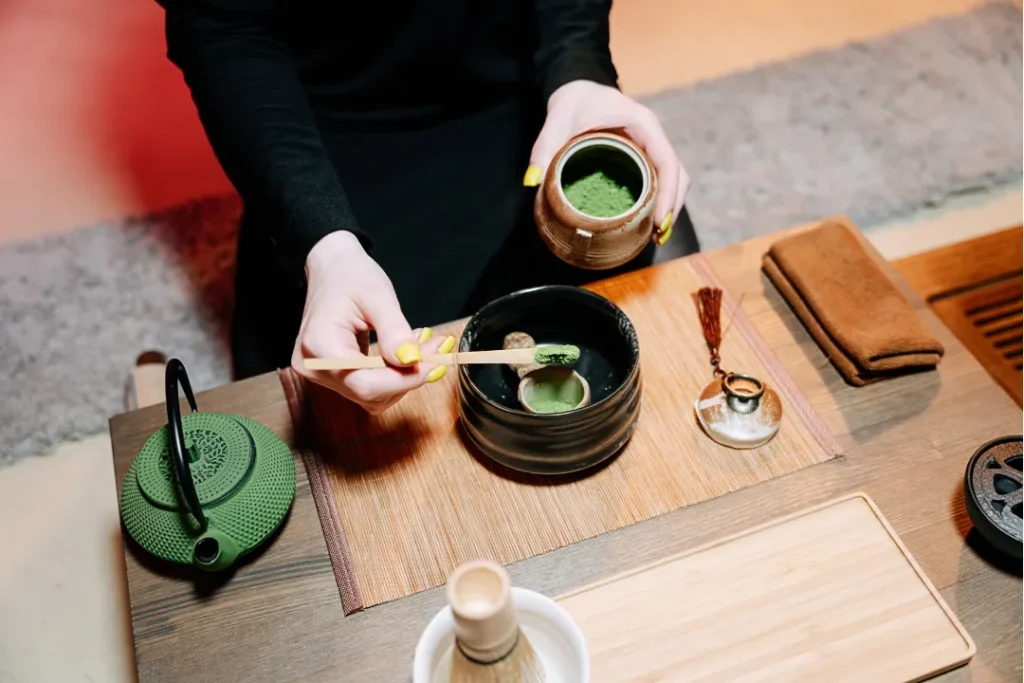
Some homeowners mix mindfulness and tea rituals. The design is inspired by the Matcha Meditation Replica, and features a small tea corner in the garden.
Features may include:
- a tea table of bamboo
- Stepping paths of stone
- Trees in the shade
- Minimalist decor
- Plantings inspired by Japan
Having a quiet cup of tea before meditating can help set the mind and build a meaningful daily ritual.
Meditation Garden Ideas for Small Spaces
You don’t need a large backyard to build a beautiful meditation garden. Even a small patio, balcony or courtyard can be turned into a peaceful sanctuary.
If you have a small space, try these:
- Vertical gardening
- Plants in pots
- “Compact” water fountains
- Meditation seating that folds
- Decorative privacy screens
Well-placed green spaces and soothing design elements can make a small area feel surprisingly large and peaceful.
Sensory design in a Meditation Garden
A meditation garden that engages all five senses to promote mindfulness and relaxation.
Vision
Opt for soothing colors such as green, blue, lavender, and white. Mixing plants with varied textures provides interest without overwhelming the senses.
Sound 3
Features to include:
- Wind chimes
- Water running
- Grass rustles.
- Birds Friendly Plants
Odor
Fragrant plants can enhance meditation significantly. Popular choices are lavender, jasmine, rosemary and gardenia.
Touch.
Incorporate smooth stones, soft moss and textured pathways for mindful walking.
Taste.
Edible herbs, such as mint and lemon balm, offer a refreshing sensory experience during a garden visit.
Guided Meditation Corner Setup
Many practitioners enjoy using guided meditations outdoors. You can dedicate a small section of your meditation garden specifically for this purpose.
A comfortable chair, outdoor speaker and shaded seating area allow for practices based on a Metta Meditation Script or other mindfulness exercises. This is a dedicated corner to help you build up consistency in your meditation practice.
Inspiring Artistic Characteristics
Meaningful art work can bring emotional impact to your meditation garden.
Some popular options are:
- Stone carving
- Prayer wheels;
- Motivational plaque
- Art inspired by nature
Some gardeners even take the inspiration from Free Meditation Clipart designs to use as visual references when choosing themes and motifs.
The secret is moderation. Too many accessories can make the space feel cluttered and detract from its peaceful effect.
Blending Wellness and Community Spaces
Current outdoor wellness trends are generally a mix of relaxation and socializing. For some, places like Medit Bistro, where calm surroundings inspire mindful eating and conversation are inspirational.
Another way to implement this idea is to create a small seating area next to your garden. This space can be used for tea, journaling, or quiet discussions with family and friends.
Daily Rituals For Your Meditation Garden
After your garden is set up, having a routine will help you get the most out of it.
Consider these daily habits:
- Morning breathing exercises
- Reflection Evenings
- Meditation walk
- Gratitude Diary
- Stretch lightly.
- Mindfulness sessions
Daily structured reflections using resources such as the ACA Daily Meditation programs work beautifully with an outdoor meditation setting.
Reduce stress and increase mental clarity in your meditation garden in just 10 minutes.
Tips for staying calm in the long run
A neat garden is a nice place to relax.The following are key maintenance tasks:
- Pruning regularly
- Water cleaning elements
- Removal of weeds
- Rejuvenating mulch
- Pathways inspection
- Seating areas maintained
A clutter-free, organized space helps create the tranquility a meditation space is meant to create.
FAQs
\Can I have a meditation garden in a small space?
Yes, balconies, patios and courtyards can be transformed into relaxing meditation retreats.
Which plants are best for a meditation garden?
Tranquil plants such as lavender bamboo, ferns and ornamental grasses enhance the atmosphere.
Why put water features in a meditation garden?
The sound of flowing water reduces noise, relaxes and promotes mindfulness.
How often should I be in my meditation garden?
Regular visits can improve your concentration reduce your stress and help you stay healthy.
Summary
A well designed meditation garden is a powerful tool to bring peace, mindfulness and balance to our daily lives. Whether you desire a Zen-inspired retreat, a sanctuary in the woods, or a small urban oasis, the right design can transform any outdoor space into a haven for relaxation and reflection.
Make a meditation garden that supports your mental health and spiritual growth with comfortable seating, native plants, tranquil water features and items that have meaning for you. As the demands of daily living continue to rise, perhaps one of the best investments you can make for your home and lifestyle is to create a space for calm and mindfulness.