
When you think about ramen, you probably picture a warm bowl of noodles that feels like a hug on a stressful day. Ramen is cheap, fast, and tastes amazing. But have you ever stopped and wondered what’s actually hiding behind those ramen nutrition facts?
Imagine this: Your body is like a little engine. Engines need fuel. Good fuel makes the engine strong and fast. Bad fuel makes it slow, tired, or noisy. That’s why understanding ramen nutrition facts matters — so you can figure out what kind of fuel you’re sending into your little body-engine.
Here’s the fun twist: When people finally look closely at ramen nutrition fact, they discover a powerful health secret that almost nobody talks about. And today, we’re opening that secret box together.
Why We Even Need to Learn About Ramen Nutrition Facts

Let’s pretend you’re a small kid holding a bowl of ramen. You see noodles. You taste salty soup. You enjoy the slurping part (of course). But your body sees something else: numbers.
- It sees calories
- It sees salt
- It sees fat
- It sees carbs
- It sees protein
These numbers tell your body what to do — grow, rest, run, repair, or get tired. So when you look at the ramen nutrition fact, you’re basically reading your body’s instruction sheet. It works the same way as when you check nutrition for tropical smoothie options — you’re not just drinking something fruity; you’re actually choosing the type of fuel your body gets.
A lot of people don’t read that sheet. They just eat and go. But those tiny numbers hide a surprising truth: ramen can be both really helpful and really tricky depending on how you use it. Just like how nutrition for a tropical smoothie helps you understand what your smoothie adds to your day — energy, vitamins, or sometimes sugar — the ramen nutrition fact reveal whether your bowl is boosting you or slowing you down.
That’s the powerful health secret we’re going to uncover.
The Big Secret Hidden Inside Ramen Nutrition Facts
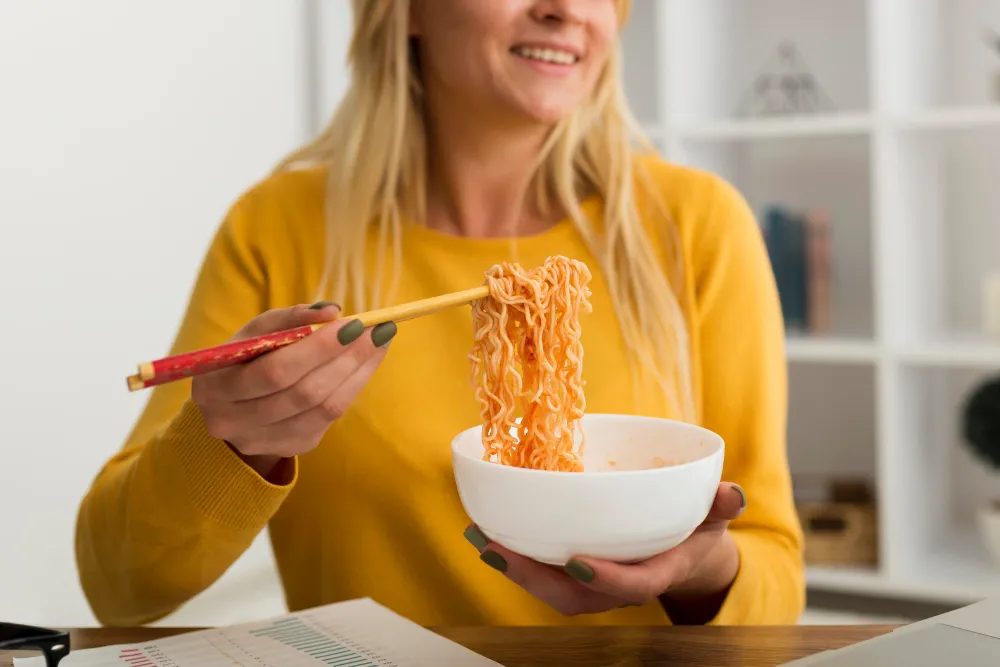
The secret is simple: Ramen isn’t “bad food” — it’s an incomplete food.
Let me explain like you’re five:
- Ramen is like a puzzle box with lots of pieces missing.
- You get some carbs.
- You get a little fat.
- You get a little protein.
- But you don’t get everything your body needs to feel strong, happy, and energetic.
This means…
- Ramen becomes healthy when you add the missing pieces.
- Ramen becomes a problem when you eat it alone.
Most people blame ramen for being “unhealthy,” but the real issue is that they eat just the noodles and nothing else. When you read the ramen nutrition fact, you notice the holes. And when you fill those holes, suddenly ramen isn’t just comfort food — it becomes fuel.
That’s the powerful health secret:
Ramen becomes good for you when you complete it.
Breaking Down Ramen Nutrition Facts Simply
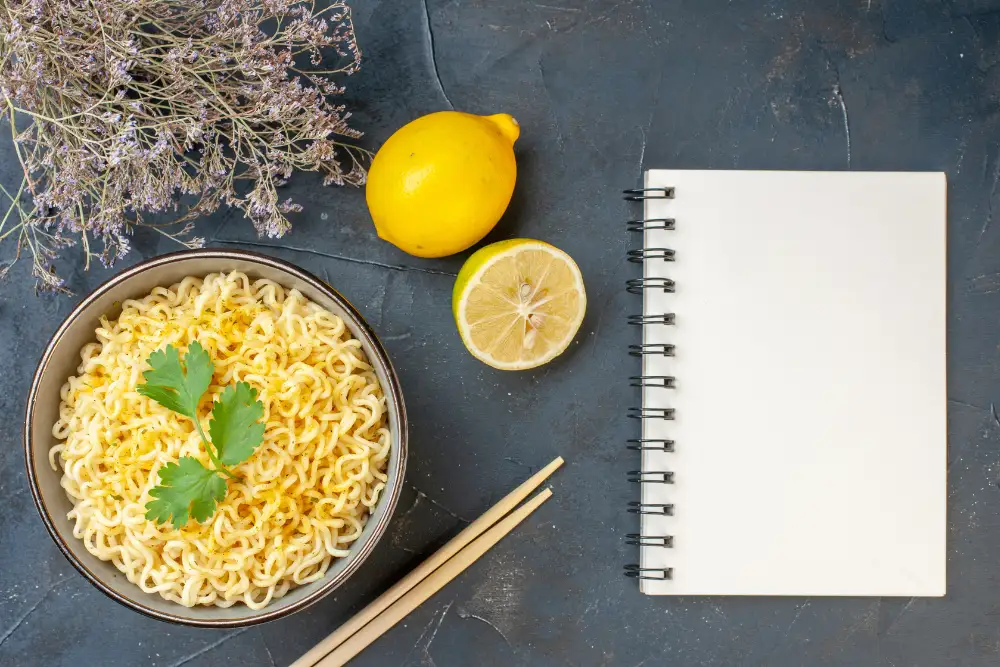
Let’s take the main parts of ramen nutrition fact and explain them like a five-year old:
1. Calories
Calories are tiny bits of energy.
Think of them like little batteries that help you run, walk, talk, or even blink.
Most instant ramen packs have 350–500 calories.
That’s okay — not too high, not too low.
But here’s the catch: most of those calories come from noodles, which means carbs.
2. Carbohydrates
- Carbs = your body’s favorite quick energy snacks.
- Ramen has a lot of carbs because noodles are made for energy.
- The ramen nutrition facts often show 50–70 grams of carbs.
- That’s great when you need energy.
- Not great if you eat it late at night and then sit on the couch like a potato.
3. Fat
- Fat helps your brain and body stay warm and healthy.
- Instant ramen usually has 14–22 grams of fat, depending on the flavor and the packet oil.
- Some fats are okay.
- Some fats are “not so friendly.”
- You just shouldn’t eat too much.
4. Protein
- Protein is your body’s building block.
- It’s like Lego bricks.
- You need it to grow muscles and repair your body.
Most ramen nutrition fact only show 6–10 grams of protein, which is pretty low.
This is why ramen alone isn’t a full meal — it’s missing enough building blocks.
5. Sodium (Salt)
This is the big, scary part of ramen.
Sodium helps your body keep water in balance, but too much can make your heart work harder.
Many ramen nutrition fact show 1,500–2,000 mg of sodium, which is a LOT.
But want the good news?
- The salt isn’t in the noodles.
- It’s in the seasoning packet.
Use less seasoning = less sodium.
How Ramen Nutrition Facts Help You Build a Healthy Meal
Here’s where the magic starts.
When you read the ramen nutrition fact, you spot the missing stuff:
- Not enough protein
- Not enough fiber
- Not enough vitamins
- Too much sodium
So how do you fix this?
Like a five-year-old: you add things.
- Add veggies → more vitamins
- Add an egg → more protein
- Add chicken → more strength
- Add beans → more fiber
- Add spinach → more power
- Add mushrooms → more minerals
Suddenly, your bowl goes from “snack” to “real meal.”
This is the exact health secret hidden in ramen nutrition fact — once you understand what’s missing, you can turn ramen into a balanced, body-loving food.
Why Ramen Feels So Comforting (Science in baby language)
Ramen feels like a warm blanket.
Why?
Simple:
- Warm food makes your brain feel safe
- Carbs tell your brain “everything is okay”
- Salty flavors make your mouth happy
- Slurping is fun
But when you understand ramen nutrition fact, you turn comfort into smart comfort — and that’s what healthy eating is all about.
Is Ramen Bad for You? Let’s Answer This Like You’re Five
No. Ramen isn’t bad. It’s just lonely.
Think of ramen as a friend who needs help.
They show up with noodles.
But they forgot:
So you help them out.
You give them the missing pieces.
And suddenly, the meal becomes complete.
That’s why learning about ramen nutrition facts doesn’t mean you stop eating ramen.
It means you smartly eat ramen.
How Many Times Should You Eat Ramen?
If you eat ramen plain every day, → not great.
If you eat ramen with healthy add-ins sometimes, → awesome.
The more you understand ramen nutrition facts, the more you can enjoy ramen without worrying.
The Ramen Upgrade Formula (Simple & Powerful)
Here’s your easy “ELI10” ramen fix-it formula:
Ramen + Protein + Veggies + Less Salt = Healthy Meal
Examples:
- Ramen + Egg + Spinach
- Ramen + Chicken + Carrots
- Ramen + Beans + Broccoli
- Ramen + Tofu + Mushrooms
This formula fixes almost every “problem number” inside the ramen nutrition fact.
Why People Get Surprised After Reading Ramen Nutrition Facts
Most people think ramen is “junk food.”
But the surprise is…
Ramen is only unhealthy when it’s eaten alone.
When you read ramen nutrition facts, you suddenly understand:
- It gives energy
- It has carbs
- It has some fat
- It has a little protein
- It just needs help
This is why ramen becomes powerful once you add the missing nutrients.
FAQS
2. Is it alright to eat ramen while I'm starving?
True, but ramen isn't exactly a lasting solution to hunger. It fills you up quickly but it also leaves your system just as swiftly. Incorporating eggs, poultry or veggies into your meals will help you feel satisfied, relaxed and content for a more extended period.
3. Can ramen noodles fit into a healthy eating plan?
Ramen can indeed be part of a healthy eating plan, if you approach it with a sense of balance. Ramen, when you toss in some good stuff like vegetables and protein transforms from a quick salty bite into a proper meal.
4. Does making ramen at home offer superior nutritional benefits?
Generally, yes. Cooking ramen yourself allows you to control every ingredient so you can reduce the salt and load up on healthier options. It is like building a custom bowl tailored to be both safer and better for you.
5. Is it safe for children to eat ramen?
Kids can definitely eat ramen, though it's a good idea for adults to cut back on the salt and toss in some nutritious ingredients. This approach creates a meal that's both nourishing and well-rounded, supporting the body's development while keeping sodium levels in check.
Final Thoughts: What the Ramen Nutrition Facts Truly Teach You
At the end of the day, here’s the real lesson:
Food is not good or bad — it’s all about balance.
Ramen becomes a healthy meal when you:
- understand the ramen nutrition facts,
- fix the missing parts,
- Add real foods your body loves.
- You don’t have to give up ramen.
- You don’t have to fear salt.
- You don’t have to stop enjoying comfort food.
- Just read the numbers.
- Learn the secret.
- Build the complete bowl.
- And enjoy every delicious slurp.